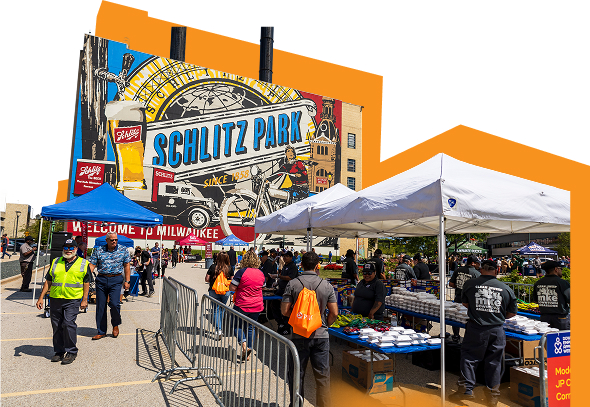

Nighttime Economy
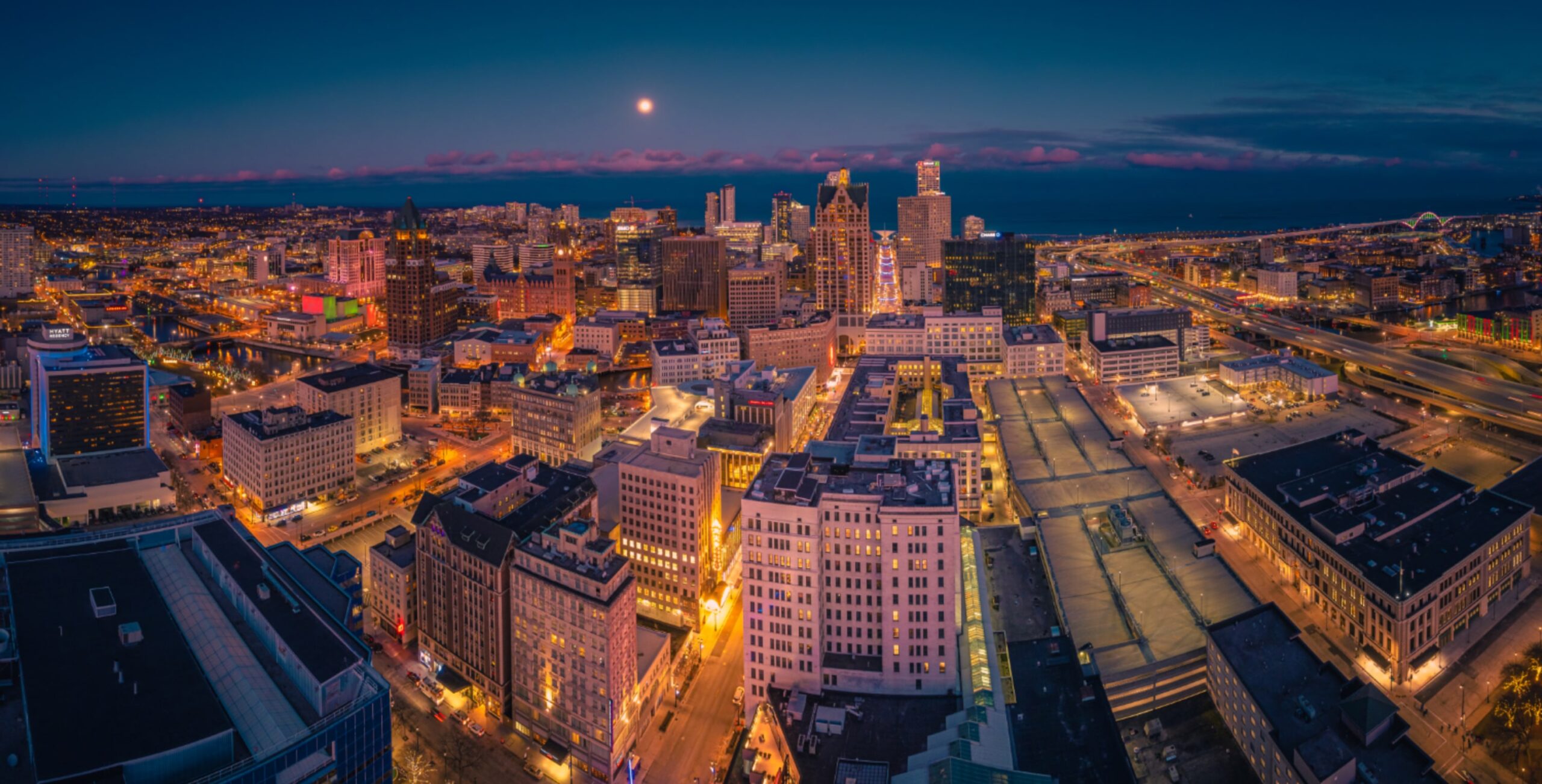
When the Sun Goes Down, Downtown Really Shines
Nighttime economies attract other economic development, a diverse array of people, and provide the social necessities that are critical factors when businesses and talent are choosing where to live, invest, and spend their time. The nighttime economy has helped catalyze the renaissance of notable cities worldwide — Milwaukee is no different.
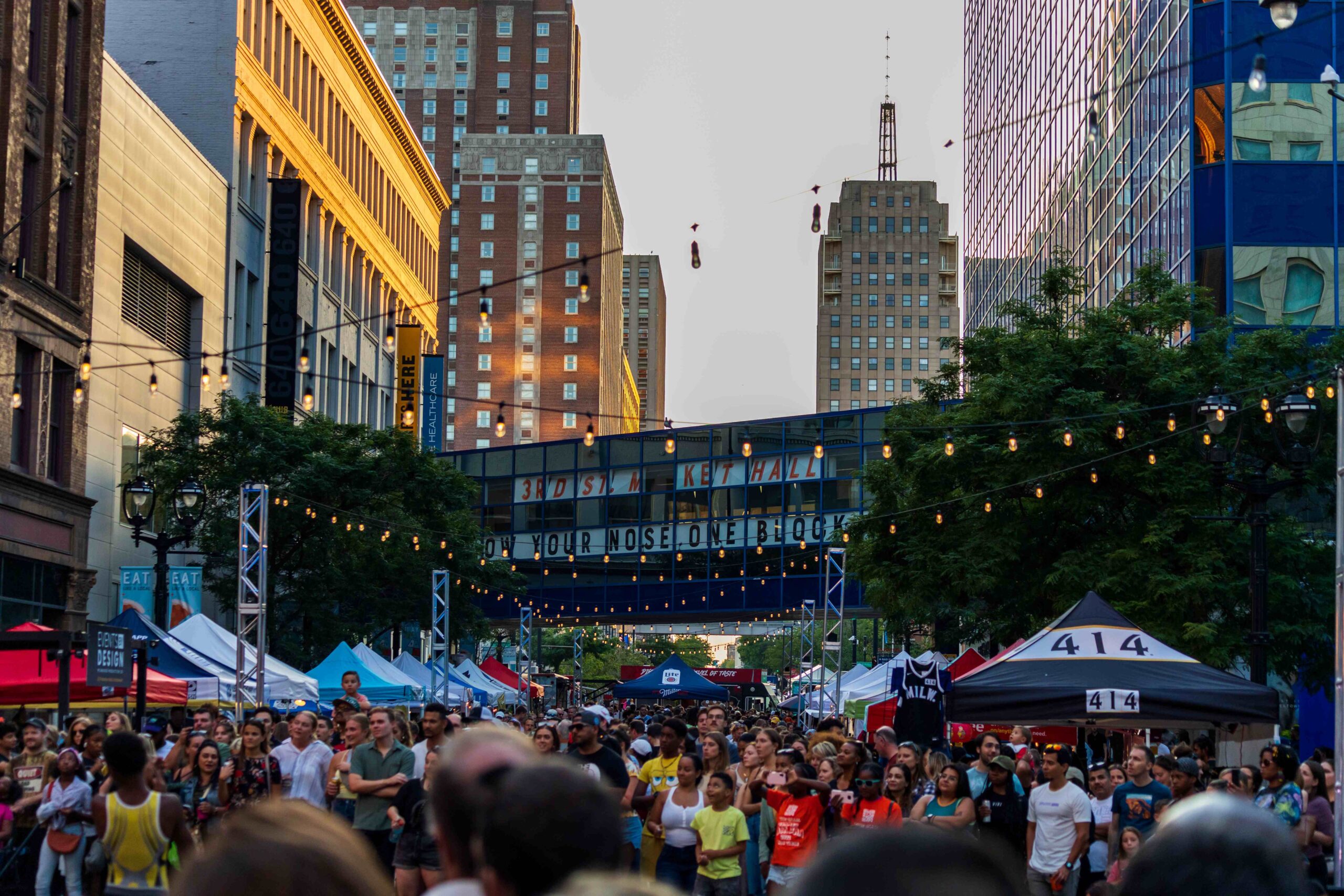
The Nighttime Economy is Big Business
The nighttime economy is a critical industry segment in the overall City of Milwaukee economy. With more than 1,600 businesses and over 25,600 people employed in the industry, it is the fourth (4th) highest concentration of businesses and jobs in a sector in the City of Milwaukee. This represents nearly 10% of all the City’s business and employment base, underscoring its significance as an industry of choice and an economic engine. Learn more on the important economic impact of the nightlife sector and how it will continue to be an area of growth in the future with major developments planned and new food, beverage, and entertainment businesses opening.
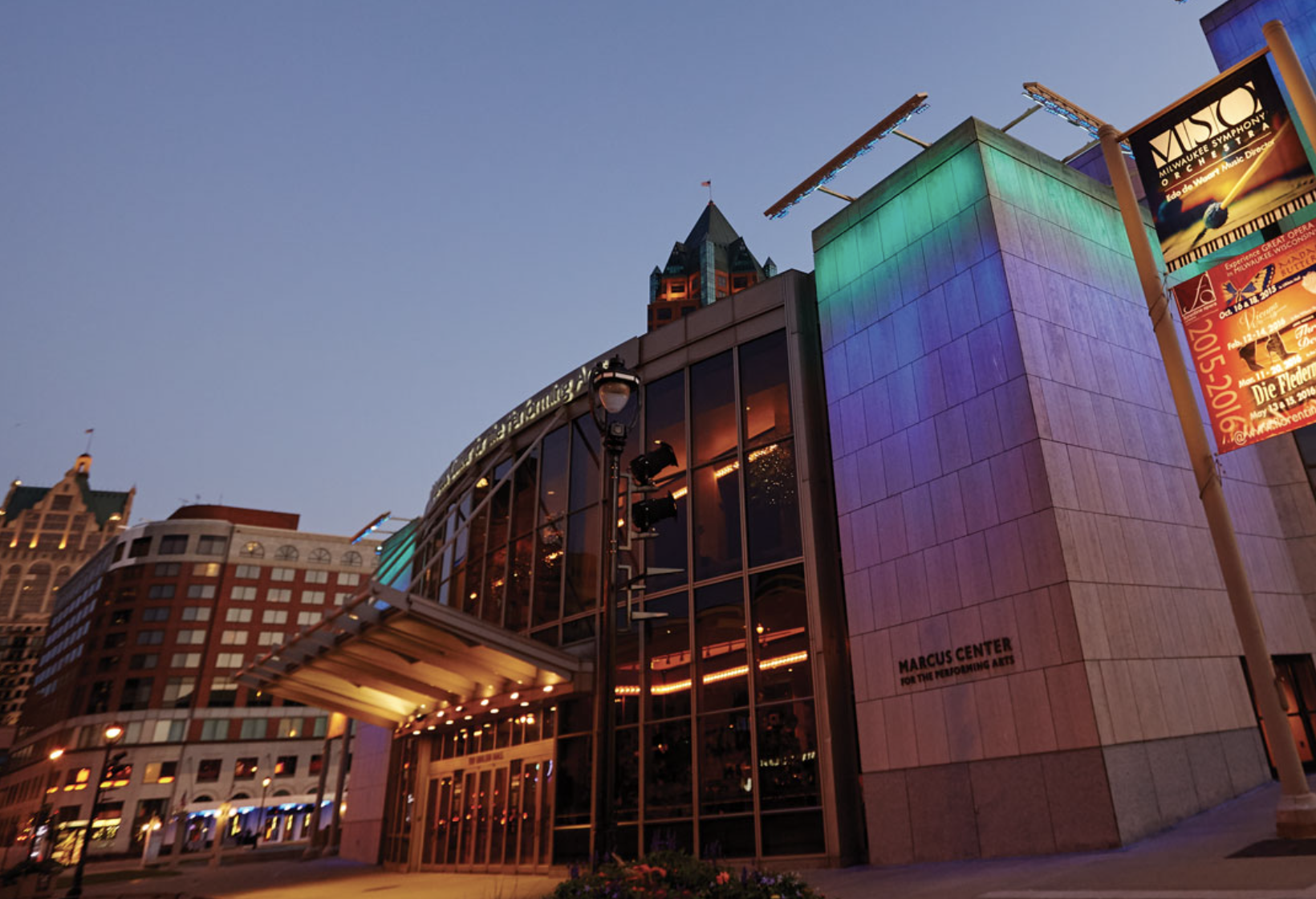

Advocating for the Nighttime Economy
Recognizing the importance and rapid growth of Downtown Milwaukee’s nighttime economy, Milwaukee Downtown, BID #21 retained the services of the Responsible Hospitality Institute (RHI) – a private, non-profit organization that assists businesses and communities in creating safe, vibrant and economically prosperous places to socialize. Over the last decade, RHI has assisted Milwaukee Downtown in devising best practice solutions to promote the importance of the nighttime economy and advocate for appropriate resources. The work of RHI in Milwaukee started with a Hospitality Zone Assessment (HZA) that focused on the East Town, Westown, Historic Third Ward, and Brady Street neighborhoods. The detailed HZA, with a summary of short- and long-term solutions, can be found below.
Six Core Elements & Beyond
Through the Hospitality Zone Assessment, Downtown Milwaukee’s Responsible Hospitality Task Force identified solutions to better grow the nighttime economy. See the summary below.
Most recently, Milwaukee Downtown reengaged with RHI to conduct an analysis of peer cities that have established a nighttime governance system. The analysis included case studies from San Francisco, New York City, Pittsburgh, and Washington D.C. and offers lessons learned as Milwaukee continues its pursuit of creating its own version of an office of nightlife and culture. Over 20 cities in the United States have created some form of an office of nighttime governance.
The analysis can be found below:
- Nighttime Governance Analysis (PDF)
- Social Economy Evaluation & Case Studies (2021) [PDF]
- Hunden Report: Entertainment & Hospitality Comparative (2015) [PDF]
- RHI Summary Report: Downtown Milwaukee’s Hospitality Zone Assessment (2011) [PDF]
- Summary of Solutions: Short & Long-Term Goals of Core Element Groups (PDF)
- Fact Sheet: Downtown Milwaukee Responsible Hospitality Task Force (PDF)